






Steam Machine vs. PC
27/06/2026
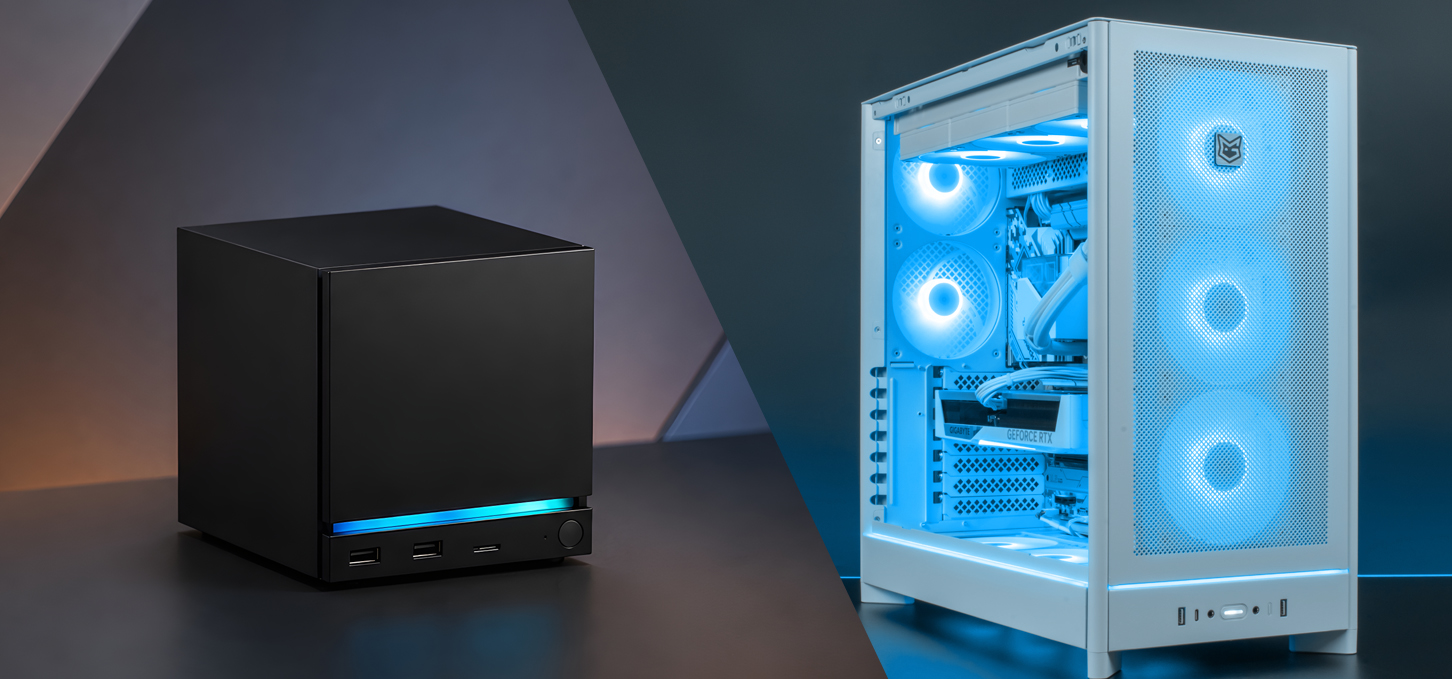
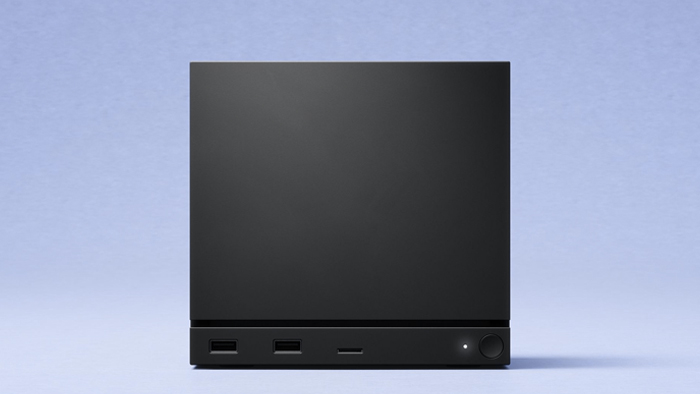
Steam Machine Hardware
A Steam Machine is a compact mini-computer designed for playing Steam games. It runs on SteamOS—Valve’s proprietary Linux-based operating system—which is designed to run games without unnecessary software overhead and features an interface tailored to gaming. This device is designed for those who want the convenience of a console combined with access to the Steam ecosystem—meaning quick startup, easy connection to a TV or monitor, and a compact chassis that fits easily even in a small space.
The 512 GB version of the Steam Machine is built on a semi-custom AMD Zen 4 processor with 6 cores and 12 threads, running at up to 4.8 GHz with a TDP of 30 W, and features a semi-custom AMD RDNA3 graphics card with 28 compute units, 8 GB of GDDR6, and a TDP of 110 W.
The configuration also includes 16 GB of DDR5-5600 SO-DIMM, a 512 GB NVMe SSD, a 300 W internal power supply, and some components—including the motherboard, cooling system, and case—are built using a proprietary design.
Comparison of PC and Steam Machine Performance
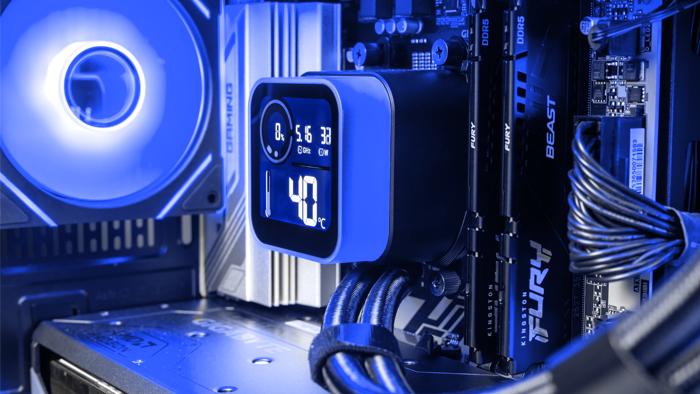
For comparison, here are some desktop components in a similar class: AMD Ryzen 5 7400F, Radeon RX 7600, 16 GB DDR5-5600, a 512 GB Patriot P320 SSD, a GIGABYTE A620I AX motherboard, and other related components. At the same time, it’s worth noting that actual performance may vary due to the Steam Machine’s power consumption limitations; that is, a desktop PC with similarly classed components is potentially capable of running faster precisely because of lower TDP limits and better cooling conditions
In other words, the Steam Machine delivers performance levels close to those of a compact-class entry-level gaming PC, but a full-size computer for the same price often either delivers similar FPS or offers higher performance in resource-intensive games. This is especially noticeable during sustained heavy loads, when a traditional desktop system maintains its clock speeds better, cools more easily, and isn’t as strictly limited by power consumption.
Why a PC Is Better Than a Steam Machine
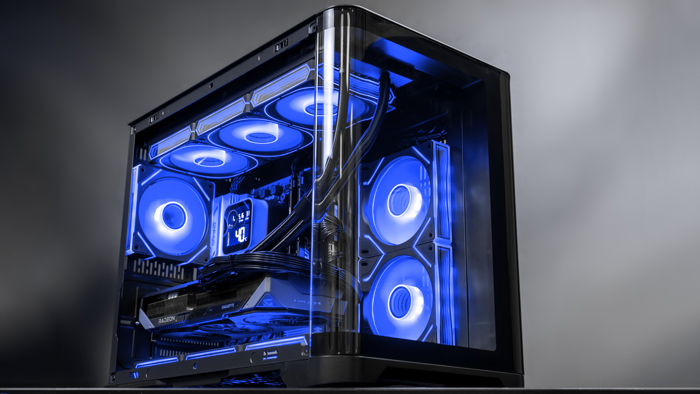
A standard gaming PC beats a Steam Machine primarily in terms of configuration flexibility. While a Steam Machine is a ready-made, closed-system device with proprietary components, a desktop computer allows you to choose the processor, graphics card, amount of memory, storage type, case, and cooling system to suit your specific budget and needs—and easily replace individual components in the future without having to replace the entire system.
In addition, maintaining a standard PC is much easier: cleaning, replacing the CPU cooler, upgrading the graphics card, adding RAM, or installing a new SSD can be done faster and more affordably than in a device with a proprietary internal layout.
A PC also offers greater freedom in customization—from choosing the operating system and drivers to fine-tuning performance, noise levels, temperatures, and the visual style of the build.
Why You Should Choose GamingPC
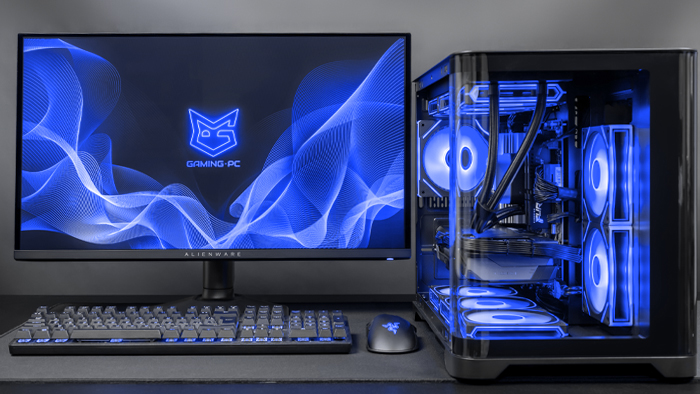
For most buyers, a well-chosen gaming PC or compact build is a more practical solution than a Steam Machine, since it offers the same level of performance—or even better—for a comparable budget. At GamingPC, you can find a system similar in size and capabilities, or build the best system right away—one with plenty of headroom for future upgrades, easier upgrades, and straightforward service.
The advantage of buying from us is that we don’t just follow a “one-size-fits-all” approach—we tailor our recommendations to your specific needs: 1080p, 1440p, esports, AAA games, a compact case, quiet operation, or maximum performance within your budget. In other words, instead of a compromise off-the-shelf solution, the customer receives a system that better meets their current needs and will remain suitable for future upgrades.
 Free
Free shipping

Processor: AMD Ryzen 7 7700
Video card: GeForce RTX 5060 Ti, 8GB
RAM: 32GB (16GBx2) DDR5 5600
Motherboard: Gigabyte B650M Gaming Plus WiFi
SSD M2:SSD M.2 1TB / Kingston NV3
Free shipping

Processor: AMD Ryzen 7 9700X
Video card: GeForce RTX 5060 Ti, 8GB
RAM: 32GB (16GBx2) DDR5 5600
Motherboard: Gigabyte B650M Gaming Plus WiFi
SSD M2:SSD M.2 1TB / Kingston NV3
Free shipping
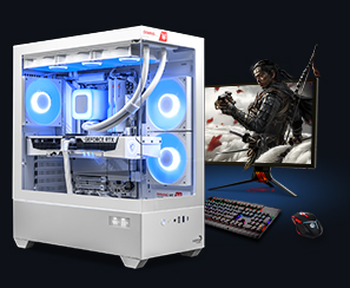
Processor: AMD Ryzen 7 9800X3D
Video card: GeForce RTX 5060 Ti, 8GB
RAM: 32GB (16GBx2) DDR5 5600
Motherboard: Gigabyte B650M Gaming Plus WiFi
SSD M2:SSD M.2 1TB / Kingston NV3
Free shipping

Processor: AMD Ryzen 5 7500F
Video card: GeForce RTX 5060, 8GB
RAM: 32GB (16GBx2) DDR5 5600
Motherboard: Gigabyte A620I AX
SSD M2:SSD M.2 1TB / Kingston NV3
Free shipping

Processor: AMD Ryzen 5 7500F
Video card: GeForce RTX 5060, 8GB
RAM: 32GB (16GBx2) DDR5 5600
Motherboard: Gigabyte A620I AX
SSD M2:SSD M.2 1TB / Kingston NV3
Free shipping
Processor: AMD Ryzen 5 9600X
Video card: GeForce RTX 5060, 8GB
RAM: 32GB (16GBx2) DDR5 5600
Motherboard: Gigabyte A620I AX
SSD M2:SSD M.2 1TB / Kingston NV3
Free shipping
Processor: AMD Ryzen 5 9600X
Video card: GeForce RTX 5060, 8GB
RAM: 32GB (16GBx2) DDR5 5600
Motherboard: Gigabyte A620I AX
SSD M2:SSD M.2 1TB / Kingston NV3
Free shipping
Processor: Intel Core i5-13400F
Video card: GeForce RTX 5060, 8GB
RAM: 32GB (16GBx2) DDR5 5600
Motherboard: Gigabyte B760I Aorus Pro
SSD M2:SSD M.2 1TB / Kingston NV3
Free shipping
Processor: Intel Core i5-13400F
Video card: GeForce RTX 5060, 8GB
RAM: 32GB (16GBx2) DDR5 5600
Motherboard: Gigabyte B760I Aorus Pro
SSD M2:SSD M.2 1TB / Kingston NV3
Free shipping

Processor: AMD Ryzen 5 7500F
Video card: GeForce RTX 5060, 8GB
RAM: 32GB (16GBx2) DDR5 5600
Motherboard: Asus Prime B650M-R
SSD M2:SSD M.2 1TB / Kingston NV3